

When heading into the outdoors—whether for camping, hiking, or emergency preparedness—one piece of gear stands above the rest: a reliable emergency shelter. Weather conditions can shift rapidly, and without proper protection, even a short trip can become dangerous. Choosing the right shelter is not just about comfort; it’s about safety, survival, and peace of mind.
In this guide, we’ll break down how to choose the best emergency shelter for your needs and how to build a dependable setup using high-quality gear available from Habicare.
Why an Emergency Shelter Matters
An emergency shelter acts as your first line of defense against the elements. It protects you from rain, wind, snow, and extreme temperatures while helping retain body heat. In survival situations, exposure is one of the biggest risks, making shelter a top priority.
Whether you're building a bug-out bag or planning a weekend adventure, having a compact and effective shelter ensures you’re always prepared for the unexpected.
Types of Emergency Shelters
Understanding the different types of shelters available will help you make the right choice for your situation.
1. Emergency Bivvy Bags
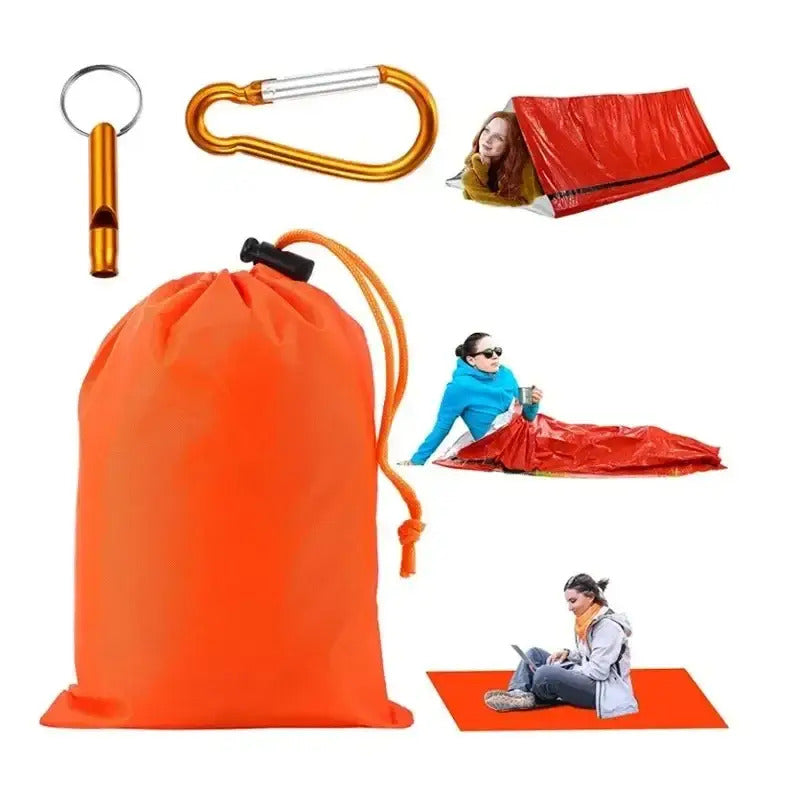
Bivvy bags are lightweight, compact, and designed for single-person use. They are often made with reflective materials that help retain body heat, making them ideal for cold environments or unexpected overnight stays.
You can explore compact bivvy-style options in the survival gear section of Habicare, where portability and performance are key features.
2. Tarp Shelters
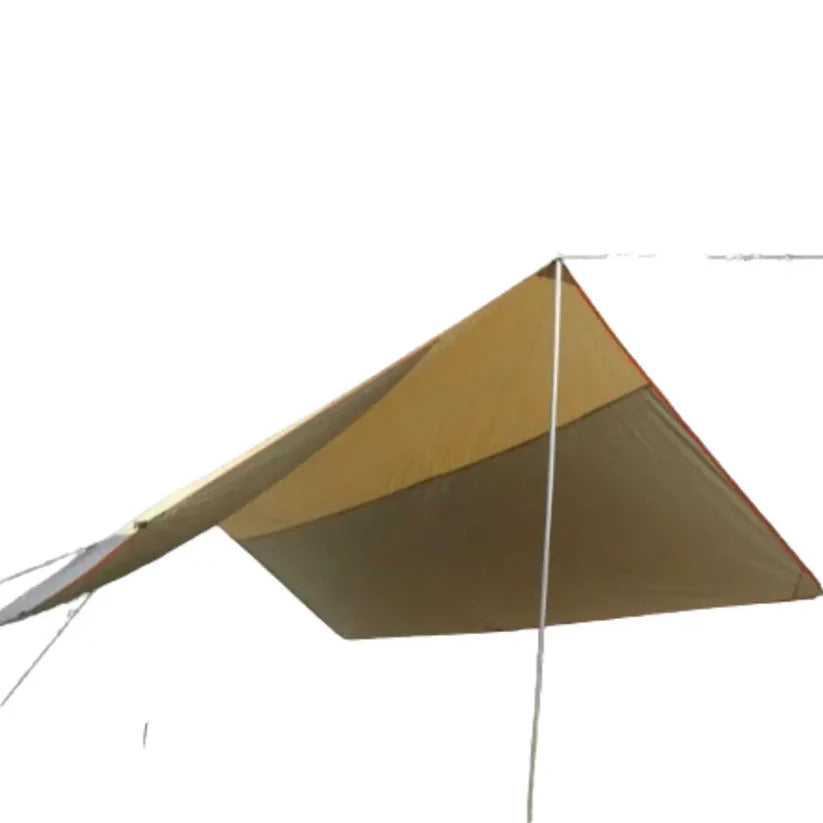
Tarps are incredibly versatile and can be set up in multiple ways depending on your environment. They are suitable for both solo adventurers and small groups and can be combined with ropes or poles for better stability.
Outdoor collections on the website include durable tarp solutions that are easy to carry and adaptable for different terrains.
3. Pop-Up Emergency Tents
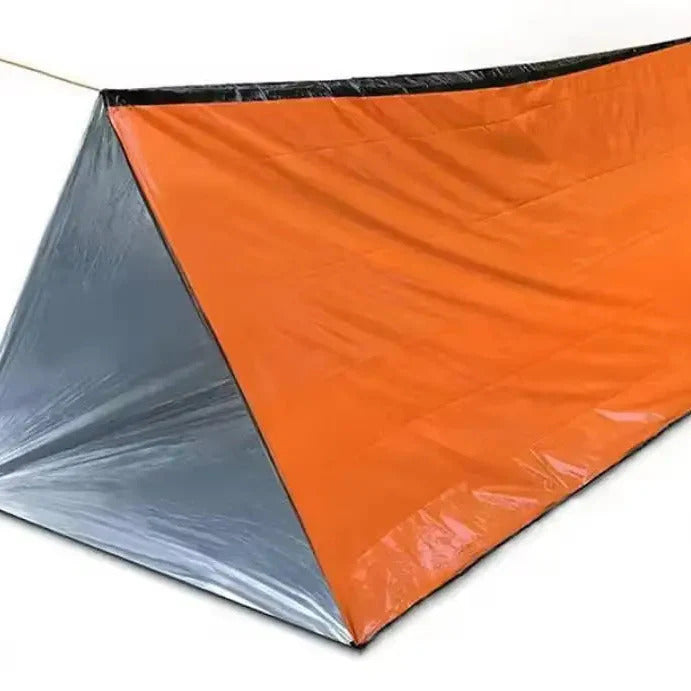
If ease of use is a priority, pop-up tents are an excellent option. They require minimal setup and provide better coverage than basic tarps. These are ideal for beginners or those who want a quick solution during emergencies.
Read About: Ultimate Camping Checklist: Must-Have Camp Site Gear for Every Trip
4. Tube Tents
Tube tents are compact, affordable, and easy to use. While they may not offer the same durability as heavier shelters, they are perfect for short-term protection and emergency kits.
Key Factors to Consider
Choosing the right emergency shelter depends on several important factors. Here’s what to keep in mind:
1. Weight and Packability
If you’re hiking or trekking, your gear needs to be lightweight and easy to carry. Look for shelters that can be folded into compact sizes without adding bulk to your backpack.
Many survival products available through Habicare are designed with portability in mind, making them ideal for long outdoor journeys.
2. Weather Resistance
Your shelter should match the conditions you expect to face. Look for materials that are:
- Waterproof or water-resistant
- Windproof
- Insulated or heat-reflective
For colder climates, thermal materials can make a significant difference in maintaining body temperature.
3. Ease of Setup
In emergency situations, you may not have the time or energy to assemble a complicated shelter. Choose options that are quick and intuitive to set up, even in low-light or harsh conditions.
4. Durability
Outdoor environments can be tough, so your shelter must be built to last. Look for tear-resistant fabrics, reinforced seams, and strong anchoring points.
5. Capacity and Space
Consider how many people the shelter needs to accommodate. Solo travelers can opt for bivvy bags, while groups may require tarps or larger tents for better coverage.
Pairing Your Shelter with Essential Gear
An emergency shelter is most effective when combined with other survival tools. To build a complete setup, consider including:
- Fire-starting tools for warmth and cooking
- Multi-tools for repairs and cutting tasks
- Portable lighting for visibility at night
- Solar-powered chargers to keep devices functional
Exploring different product categories on the website can help you assemble a well-rounded survival kit that complements your shelter.
Choosing Based on Your Activity
Your outdoor activity will influence the type of shelter you need:
- Hiking & Trekking: Lightweight bivvy bags or compact tarps
- Camping: Larger tarps or pop-up tents for added comfort
- Emergency Kits: Small, portable shelters like tube tents
- Extreme Conditions: Insulated and weather-resistant shelters
Also Know: How to Build a Functional Camp Kitchen Anywhere
Final Thoughts
Selecting the best emergency shelter for outdoor survival requires careful consideration of your environment, activity, and personal needs. A good shelter should be lightweight, durable, weather-resistant, and easy to set up when it matters most.
By investing in reliable gear and exploring versatile options available from Habicare, you can ensure you’re prepared for any outdoor situation. Whether it’s a planned adventure or an unexpected emergency, the right shelter can make all the difference.
Stay prepared, stay protected, and make every outdoor experience a safer one.